Question 3 of 8
Surpluses, reserves and debt
When the RM has an operating surplus or significant reserve funds, how should Council balance saving for future infrastructure, paying down debt, funding current projects and limiting future tax increases?
- Dorothy Kleiber

Surpluses and reserves should be managed as part of a long-term financial plan, not spent simply because the money is available. West St. Paul is growing, and we know significant infrastructure investments will be required. Maintaining appropriate reserves gives Council the ability to plan for those projects rather than facing sudden tax increases when infrastructure needs arise. At the same time, Council should look at debt carefully and determine whether paying down debt provides greater long-term value than funding an urgent infrastructure project. The priority should be balance: maintain healthy reserves, responsibly manage debt, fund necessary infrastructure, and use financial planning to reduce pressure for future tax increases. Every decision should consider both today's residents and the taxpayers who will live here tomorrow.
- Stanley R. Parag
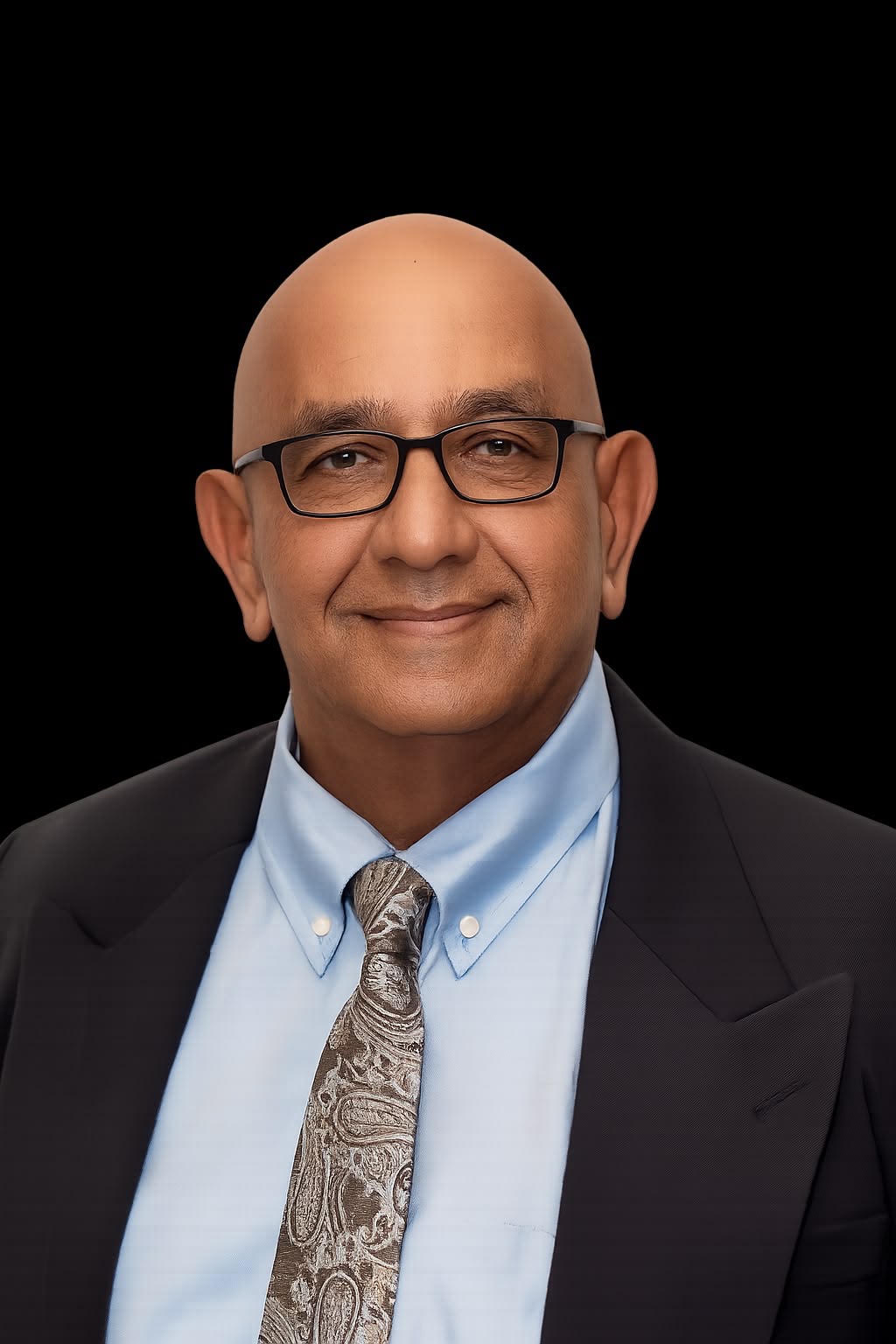
Development has brought substantial revenue into West St. Paul, but that money will not flow at the same rate forever. Council should resist using a temporary windfall to support permanent increases in operating spending. The current pace of spending is not sustainable. I would set clear targets for infrastructure replacement and an emergency reserve so the RM has funds available if it faces a major, unexpected cost. Once those needs are provided for, Council should compare the benefits of paying down debt with funding priority projects. Residents should be able to see how much is being saved, what each reserve is for, and why money is being spent now rather than kept for the future.
- Iqbal Singh Sandhu
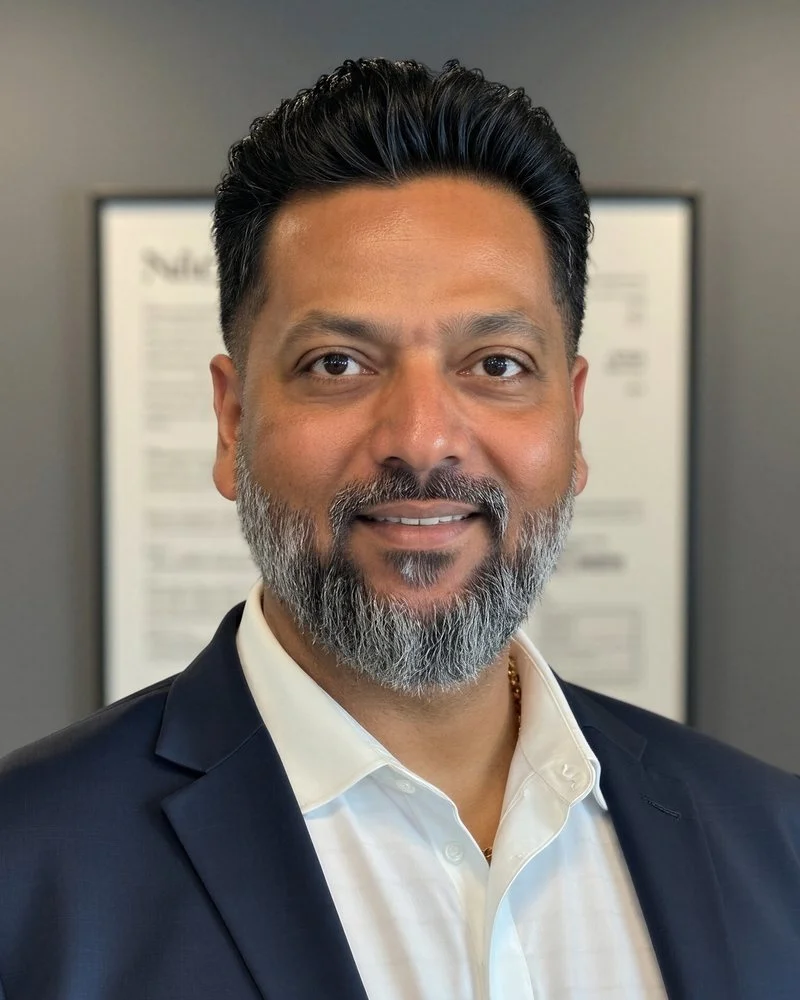
Surpluses and reserves should be managed with a long-term plan. We need health reserves for major infrastructure, emergencies and future obligations. Council should also look at whether funds can reduce expensive borrowing, fund necessary capital projects or help limit future tax increases. The goal should be to be balanced, maintain financial stability and avoid unnecessary debt.
- Peter Truijen
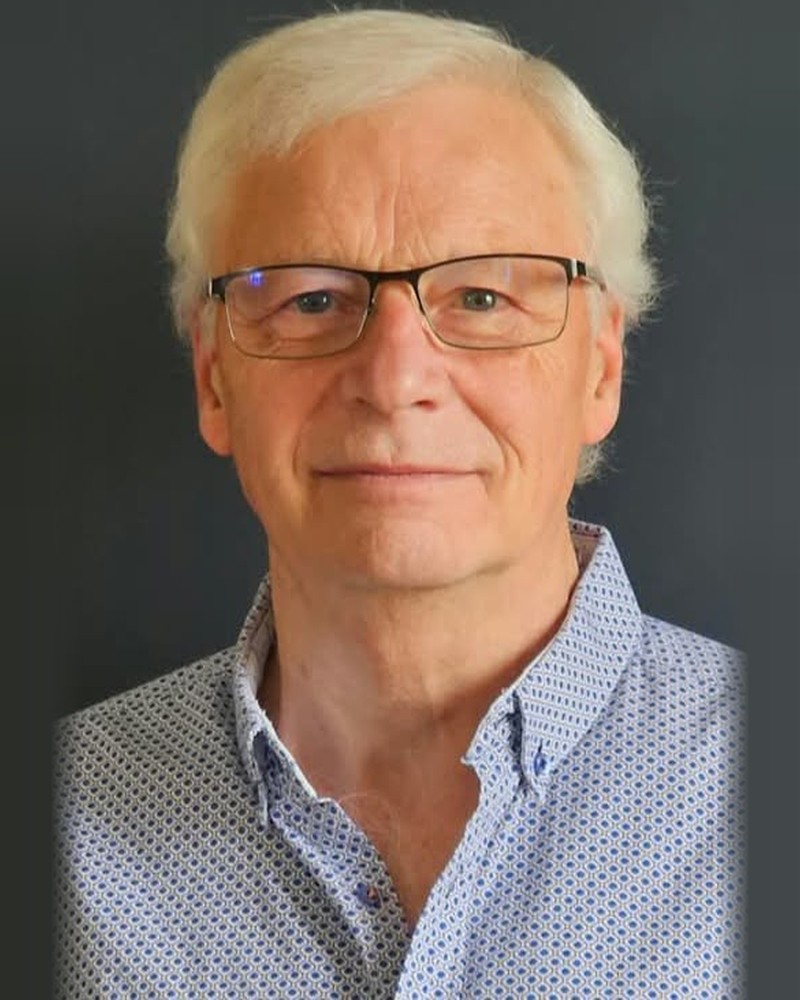
An Asset Management program would help in determining that there are adequate reserves and help to determine when, in the life cycle of an asset it should be replaced.